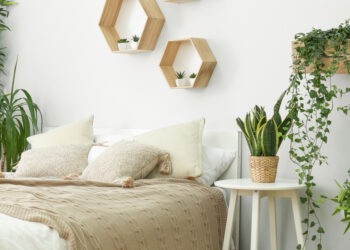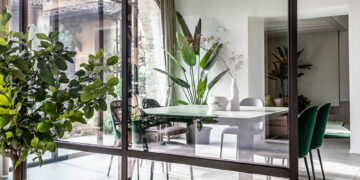
A plant stand may seem to be an inconsequential object, but it can serve many purposes. Some plant stands serve as pieces of furniture or artwork in homes, giving a tasteful touch to the energy of a room. Of course, the main goal is to get the plant off the floor and onto an elevated surface of its own.
De plus, Why are plant stands good?
Outdoor stands allow you to move your plants to different positions depending on weather, and it keeps them up off the ground away from pests and pets. Elevating your plants indoors can keep them visible behind pieces of furniture, position them in the best light, and ensure smaller plants make more of a statement.
d’ailleurs Where should a plant stand be placed? Use a plant stand to elevate plants behind sofas or in the corner of the room. This is especially effective if you don’t have a huge houseplant. Elevating a specimen plant will make more of a statement.
How do I choose a plant stand? What to look for when considering a plant stand?
- SUSTAINABILITY. This is an essential feature to look for in a plant stand. …
- SIZE. Size matters in almost everything. …
- STABILITY. Some pots are heavy. …
- SUITABLE HEIGHT. Plants are different and grow differently. …
- GOOD DRAINAGE. …
- DESIGN. …
- QUALITY.
d’autre part, How do you use a plant riser?
How much weight can a plant stand hold?
This small basic plant stand is a great addition to any indoor or outdoor space and holds up to a 20 pound plant.
Where should plants be placed in the house?
Spreading plants around the perimeter and away from the center of the room can make the space appear larger. For instance, place plants on shelves, window sills, or in corners. Hanging plants are back in style, but it’s essential to find the best spot. Don’t hang a plant where tall guests can bump their heads.
Why are my plants leaves yellow?
Water issues — either too much or too little — are the leading reason behind yellow leaves. In overly wet soil, roots can’t breathe. They suffocate, shut down and stop delivering the water and nutrients plants need. Underwatering, or drought, has a similar effect.
What is plant rack?
Plant racks are great furniture pieces that will help you organize your space. Instead of leaving pots on the floor, you can use tiered racks to elevate your plants and free up some floor space.
Should I put saucers under pots?
This week’s gardening tips: Unless it’s absolutely necessary, avoid placing saucers underneath outdoor container plants. Saucers full of water will keep the soil in the pots too wet, an unhealthy condition for most plants. In addition, saucers full of water provide breeding sites for mosquitoes.
Do pots need saucers?
So, why do plant pots need saucers? Whilst they aren’t necessary, plant pots use saucers to collect the water that drains from your pot. Without this, it can easily spill onto your carpets, floors and furniture. So after each watering, your saucer will capture the excess water, preventing any spillage in your home.
How do you build a plant staircase?
Pre-drill all screw holes with a 3/32-inch drill bit before attaching pieces together.
- 1 Pre-drill the step boards. …
- 2 Attach the back step boards to the risers. …
- 3 Attach the front step boards to the risers. …
- 4 Assemble the support frame with copper pipe. …
- 5 Attach the support frame to the staircase steps.
How do I keep my plant stand from blowing over?
7 Easy Ways to Stop Balcony Plants From Tipping in The Wind
- Fill Your Plant Pots With Enough Soil.
- Use Plant Pot Stabilizers.
- Put the Plant pots Against the Wall or In a Corner.
- Use Balcony Planters.
- Grow Your Plants in Heavy Containers.
- Screen Your Balcony.
- Tie The Plant Pots To Something Sturdy.
How do I keep my plant stand from falling over?
Remove plants from the plant stand. Select heavy, decorative objects such as marble spheres, bricks that are the same color as your décor, flower pots filled with river stone or heavy and interesting stones to counterbalance the weight of the plant.
How much weight can a wooden stand hold?
The maximum load capacity of the wood table is about 150 lbs. (68kg). The average amount of weight that we use to keep on a desk is only about 15 lbs. In general, a wood table is well enough to bear any load, because it is actually difficult to imagine 150 lbs.
What is a nice indoor plant?
The best low-maintenance indoor plants include the peace lily, snake plant, cast iron plant, pothos, air plants and philodendron. These resilient indoor plants make excellent picks for beginners and people who travel or are away from home regularly.
Do houseplants need to be by window?
Remember that your plants do not need direct sunlight at all possible hours of the day as this can scorch the leaves and the roots of the plant. Most plants will be happy with a window that is either West, East or South facing. So do not look to have too many plants facing a Northerly window.
Do plants need to be by window?
You can put a plant far away from a window, but it will need to be a low light because the light levels get dimmer as you cross a large room.
Should I cut yellow leaves off?
When a leaf is yellowing, let the leaf fully turn yellow before pulling it off. When a leaf is on its way out, the leaf loses all of its chlorophyll (the molecules which make the leaf green), and the plant absorbs any leftover nutrients from the yellowing leaf.
Are Epsom salts good for plants?
Yes, there seem to be good, relevant reasons for using Epsom salts for plants. Epsom salt helps improve flower blooming and enhances a plant’s green color. It can even help plants grow bushier. Epsom salt is made up of hydrated magnesium sulfate (magnesium and sulfur), which is important to healthy plant growth.
Can yellowing leaves turn green again?
Chlorophyll gives a leaf its green color. When the leaf loses its chlorophyll, the plant abandons it and begins to absorb leftover nutrients from the leaf. That’s why once the leaf turns yellow, you generally can’t make it turn back green again.